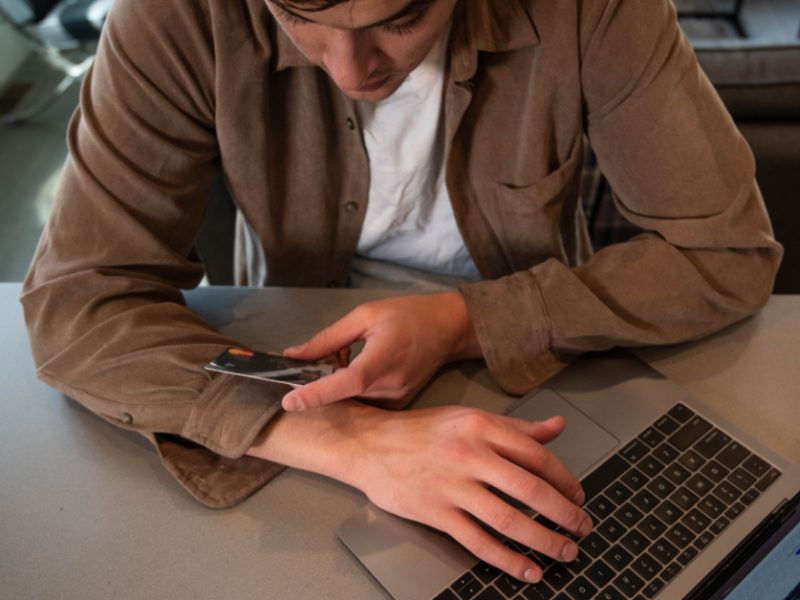
The pattern is depressingly consistent. Someone attractive starts chatting, things turn flirtatious quickly, photos are exchanged, and within minutes the tone changes: pay, or these go to your family, your employer and your followers. Here’s what to do if it happens to you or someone you know.
How it usually happens
- A new match or follower moves the conversation along unusually fast.
- They send photos first, often stolen, to encourage you to share yours.
- Soon after you do, they reveal screenshots of your friends list or followers.
- They demand payment, usually by gift card, cryptocurrency or a payment app, often with a countdown.
What to do right now
- Don’t pay, and don’t send more images.
- Stop responding. Save the evidence first: screenshots of the profile, messages, usernames and any payment details they sent.
- Report the account to the platform where it happened, then block it.
- Report the crime to the FBI at tips.fbi.gov or ic3.gov.
- Tell someone you trust. Scammers rely on shame and secrecy; support takes away a lot of their power.
Safety note
If anyone involved is under 18, report to NCMEC’s CyberTipline at report.cybertip.org or 1-800-843-5678, and contact the FBI right away.
Getting images taken down
The TAKE IT DOWN Act. This federal law, signed in May 2025, makes it a crime to knowingly publish nonconsensual intimate images, including AI-generated ones, or to threaten to. Since May 19, 2026, covered platforms have had to provide a way to request removal and take reported images down within 48 hours.
StopNCII.org. For adults, this free tool creates a digital fingerprint of an image on your own device. The image itself never leaves your phone or computer. Partner platforms use the fingerprint to detect and remove matching copies. It only works on platforms that participate, so report directly to other sites too.
Take It Down. Run by the National Center for Missing & Exploited Children, this service works the same way for images taken when someone was under 18, even if they’re an adult now.
Where to find support
The Cyber Civil Rights Initiative supports people affected by image-based abuse and publishes guides to the laws in each state. If the situation is connected to a partner or ex who is controlling or threatening you, the National Domestic Violence Hotline can help at 1-800-799-7233.
Many sextortion attempts start with the same fake profiles used in romance scams. Keeping your profile and photos less searchable helps too; see our guide to dating app privacy.
To keep in mind
- Sextortion scammers pressure people into sharing intimate images, then threaten to send them to friends or family unless they pay.
- Don’t pay and don’t send more. Stop responding, save the evidence and report it to the platform and the FBI.
- Under the federal TAKE IT DOWN Act, covered platforms have had to remove reported nonconsensual intimate images within 48 hours since May 2026.
- StopNCII.org helps adults stop images from spreading on partner platforms; NCMEC’s Take It Down service is for images taken when someone was under 18.
Asked often
Will paying make it stop?
Usually not. Paying shows the scammer that you’ll pay, and demands often continue. Law enforcement advises against paying.
What if the images are fake or made with AI?
The TAKE IT DOWN Act covers digitally created intimate images as well as real ones. Report them to the platform and keep a record of where they appeared.
Is it my fault?
No. The person threatening you is the one committing a crime. Reaching out early gives you the most options.
This guide is general information, not medical, legal or professional advice. If you’re in danger, call 911. For confidential support, contact the National Domestic Violence Hotline at 1-800-799-7233 or RAINN at 1-800-656-4673.